Myopia, or nearsightedness, is becoming increasingly common among children globally. Unmanaged myopia can have serious consequences in later life, so approaching the condition proactively is advisable. We offer a range of myopia management solutions that are designed to protect children’s eyes and help them live without limitations.
What Is Myopia and How Does it Affect Children?
Myopia is an eye condition caused by excessive elongation of the eye, which interferes with how light is focused on the retina. Myopia results in distant objects appearing blurry while close objects are sharp. Typically diagnosed between six and twelve years old, myopia is a progressive condition that becomes worse as the child grows. When myopia goes unmanaged, the eyes continue to grow, weakening the eye tissue and increasing the risk of complications.The chance of developing vision-threatening conditions such as macular degeneration, retinal detachment, glaucoma, and cataracts is increased significantly when myopia isn’t treated. Traditional glasses can correct blurry vision, but they cannot slow the progression of the condition, so specialized management methods are crucial. Essilor® Stellest® spectacle lenses are one of the methods we use at Weston Contact Lens Institute.
What Are Essilor® Stellest® Spectacle Lenses?
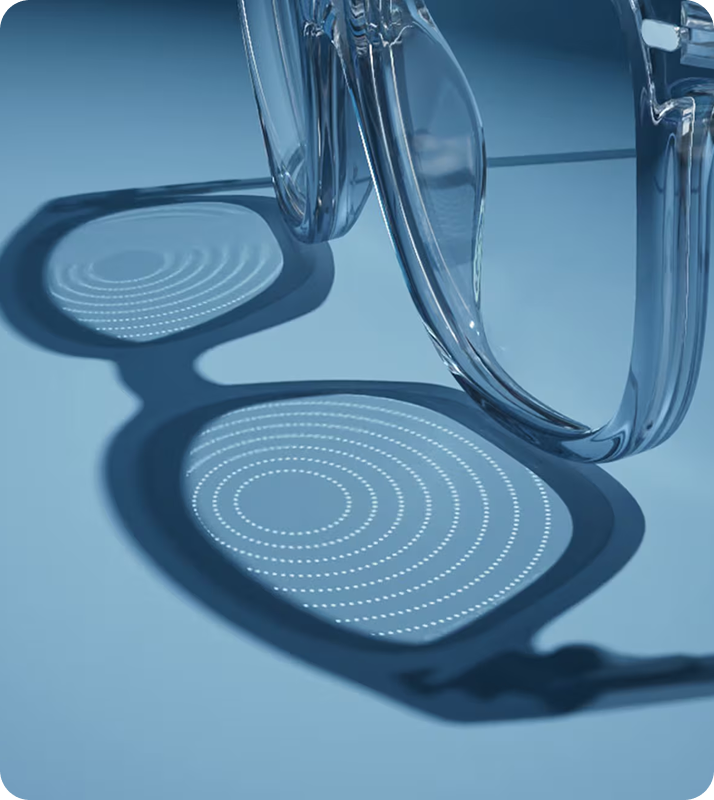
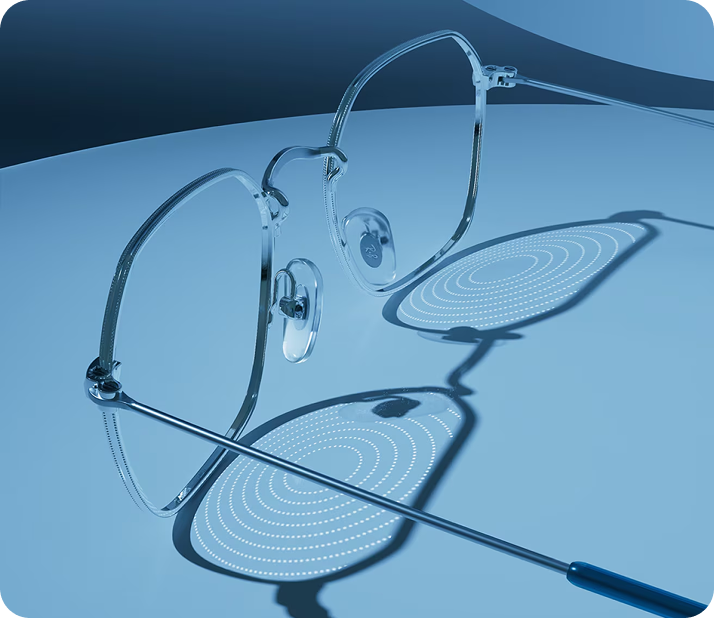
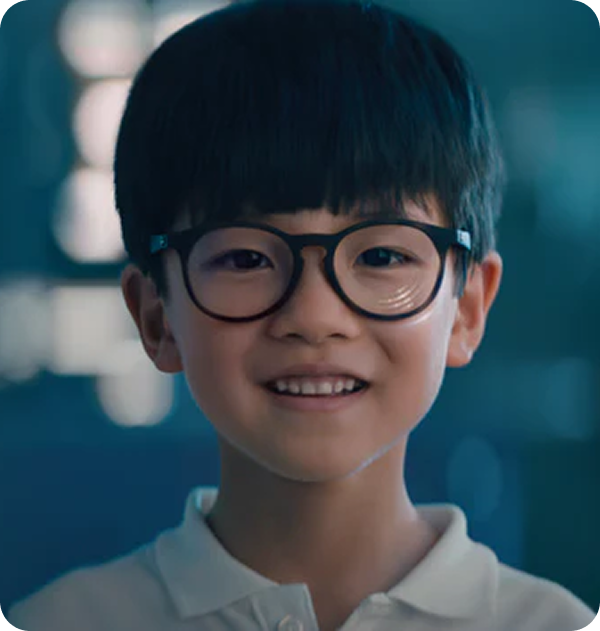
Stellest® spectacle lenses are designed for children aged six to twelve to correct vision and control myopia. Stellest® lenses have a central single vision zone that corrects refractive error, and a myopia control zone that uses Highly Aspherical Lenslet Target (H.A.L.T.) technology. H.A.L.T. technology consists of 1021 tiny lenslets arranged in 11 concentric rings that create a myopic defocus area to reduce the stimulus that encourages excessive growth.
Why Are Essilor® Stellest® Spectacle Lenses Important for Children With Myopia?
Children with myopia may struggle with other myopia control methods like orthokeratology (overnight lenses), MiSight contact lenses, and low-dose atropine drops. There are many reasons why a child may not be ready for the responsibility of contact lenses, or parents may prefer spectacles. Glasses are significantly less invasive and traumatic for young children who may be afraid of having contacts in their eyes.
Contact lenses also require strict hygiene that children may neglect, increasing the risk of infections. Stellest® spectacles are easy to clean and maintain and are generally well-tolerated by most children. Parents looking for an uncomplicated way to protect their child’s long-term eye health will find that Stellest® is an incredible solution that has already helped millions of children worldwide.
In addition, the adjustment period for Stellest® spectacles is only a few days, while options like MiSight and orthokeratology can take longer to get used to. When parents prepare their child and explain the importance of Stellest®, children are better equipped to comply with their treatment. Stellest® glasses must be worn for a minimum of 10 hours per day, six days per week. Consistency is key with any myopia control method.
What Should Patients and Parents Expect From Essilor® Stellest®?
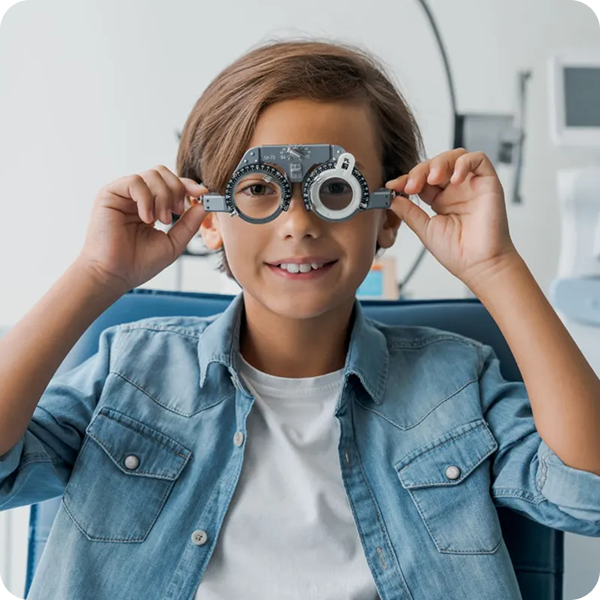
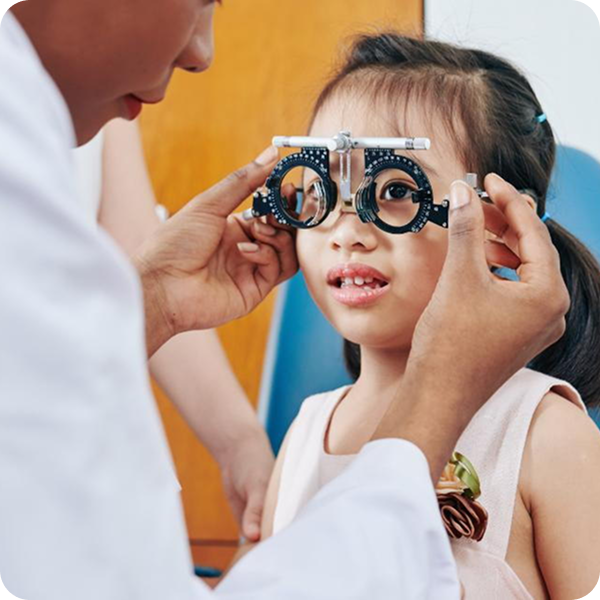
The Stellest® process always starts with a thorough eye examination. We must assess your child’s vision and overall eye health to ensure that they are a good candidate for Stellest® spectacles. Using advanced imaging tests, we take precise measurements to maximize the effectiveness of the H.A.L.T. technology. The process is similar to the exam required for traditional eyeglasses, so if your child currently wears glasses, there shouldn’t be any issues.
We recommend bi-annual follow-up appointments so that we can track your child’s eyeglass prescription and the growth of their eyes. Progress tracking is critical because it allows us to make changes and incorporate complementary treatments if necessary. Some children benefit from a dual-pronged approach where Stellest® glasses are worn during the day, and low-dose atropine drops are administered before bed.
We also recommend making some healthy lifestyle adjustments to improve the effectiveness of myopia control treatment. Children should spend at least two hours per day outdoors, so their eyes are exposed to sunlight, which also helps to control eye elongation. When your child is doing near work, help them remember the 20-20-20 rule. Every 20 minutes, your child should take 20 seconds to look at something 20 feet away. Breaks are important for minimizing eye strain.
Support Long-Term Eye Health With Weston Contact Lens Institute
Essilor® Stellest® spectacle lenses are a highly effective myopia control method that can play a critical role in preventing long-term complications. Stellest® glasses not only correct distance vision, but also actively reduce the stimulus that encourages eye growth. Children with myopia are at risk for vision-threatening diseases, but with the proper care and attention, myopic patients can avoid serious problems later in life.
If you believe your child may benefit from Stellest® spectacles, contact Weston Contact Lens Institute. Together, we will develop a myopia treatment plan that helps your child feel comfortable and confident. Our expert eye care practitioners are here to help patients and their parents take proactive steps toward protecting eye health and facilitating clear vision throughout childhood and into adulthood.